Intelligent uncrushable-object detection
We support the early identification of metal objects, detached components and foreign bodies at critical mining process points using industrial cameras, Edge AI and alerts with traceable evidence.
Camera layout, detection categories and alerts are designed around the actual conditions of each operation.
Computer vision solutions for uncrushable-object detection
Metal elements, detached components and foreign objects can travel with the ore without being detected in time, exposing critical equipment and affecting operational continuity.
Tecnoseg designs solutions that observe strategic points, process images close to the operation and turn detections into reviewable events with visual evidence and traceability to support a timely response.
Our main services
Our computer vision solutions are modular and adapt to each client's infrastructure and operating conditions. We can assess existing cameras or implement a complete capture, processing, monitoring and alerting solution. When a condition can be distinguished visually and representative data is available, the system can be configured and trained to detect it.
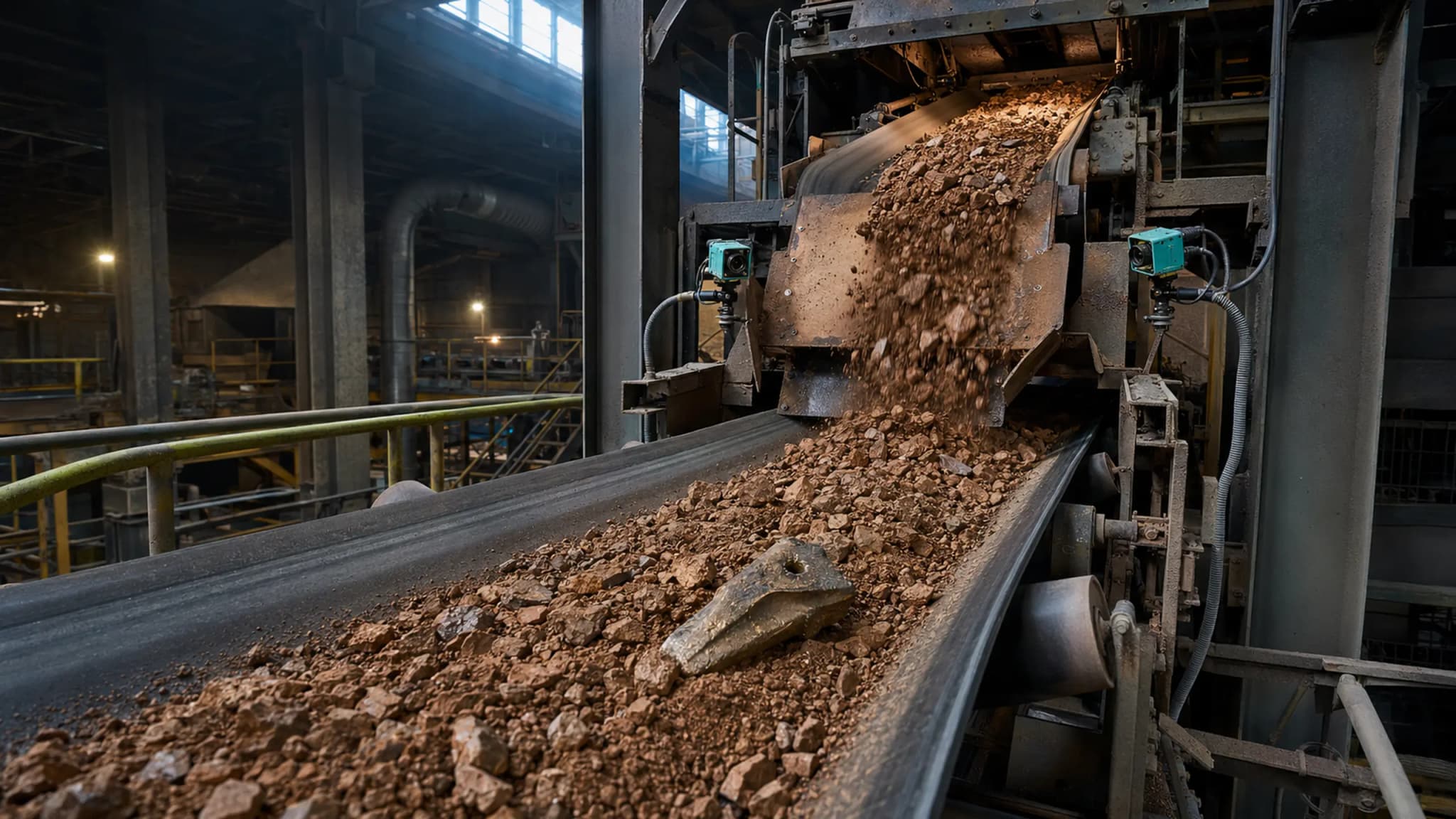
We monitor critical belt locations to identify metal objects, detached components or other elements outside the ore flow and generate timely alerts with visual evidence.
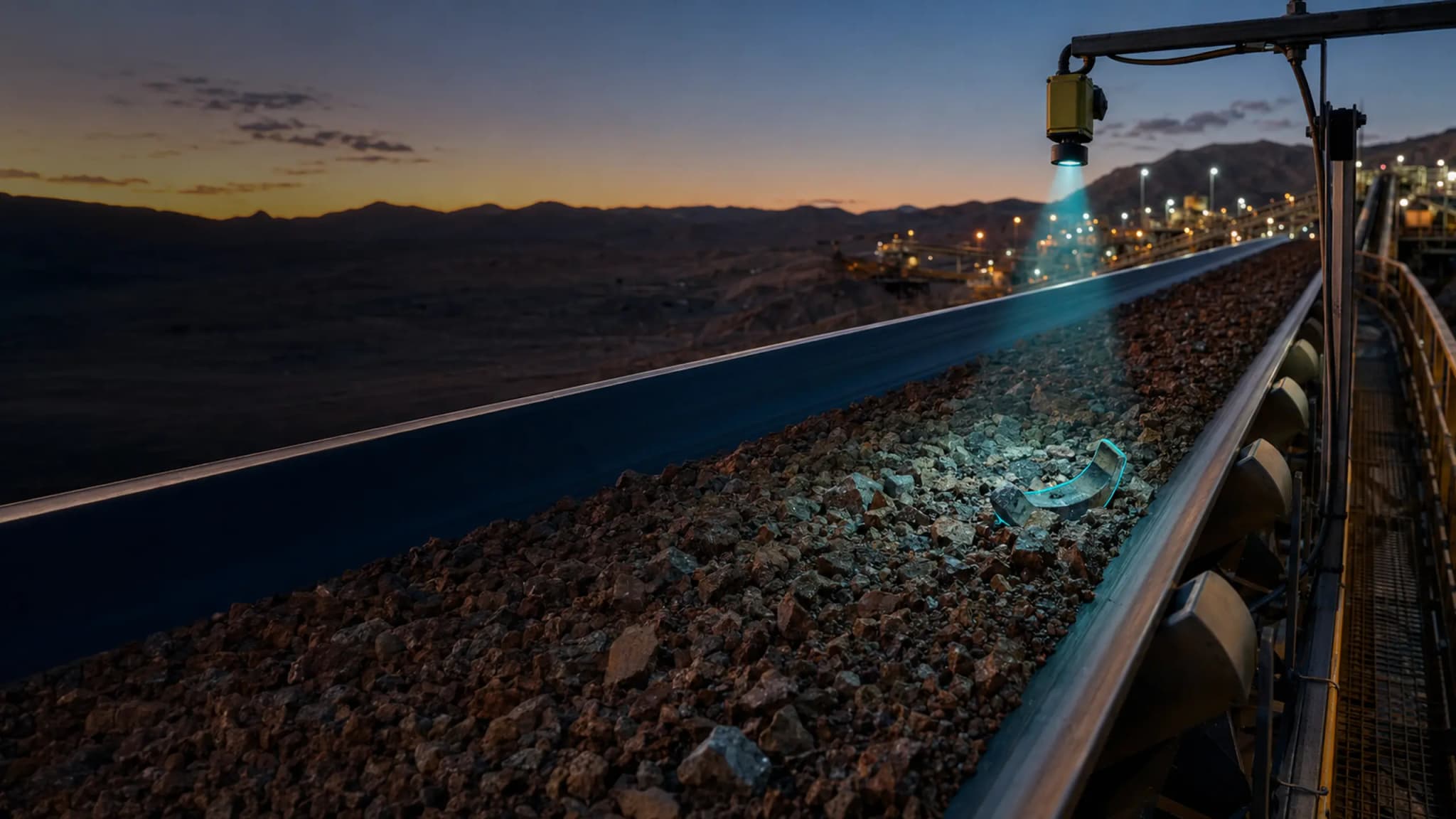
We observe dump areas, hoppers, bins and feed points to identify potentially hazardous objects before they enter the crusher or while material is transferred.
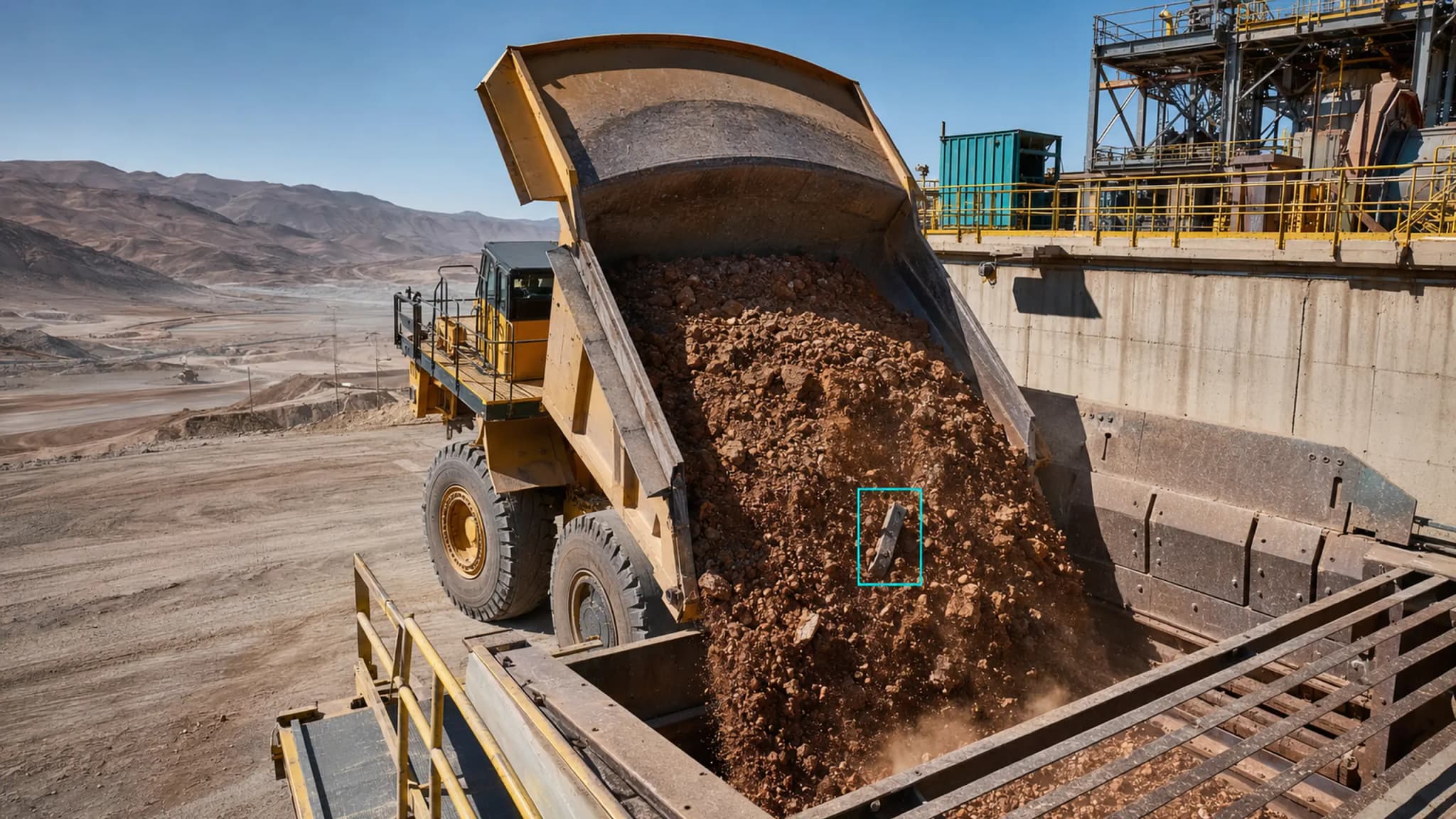
We visually assess load level and distribution to support the identification of empty, partially loaded or anomalous truck conditions defined by the operation.
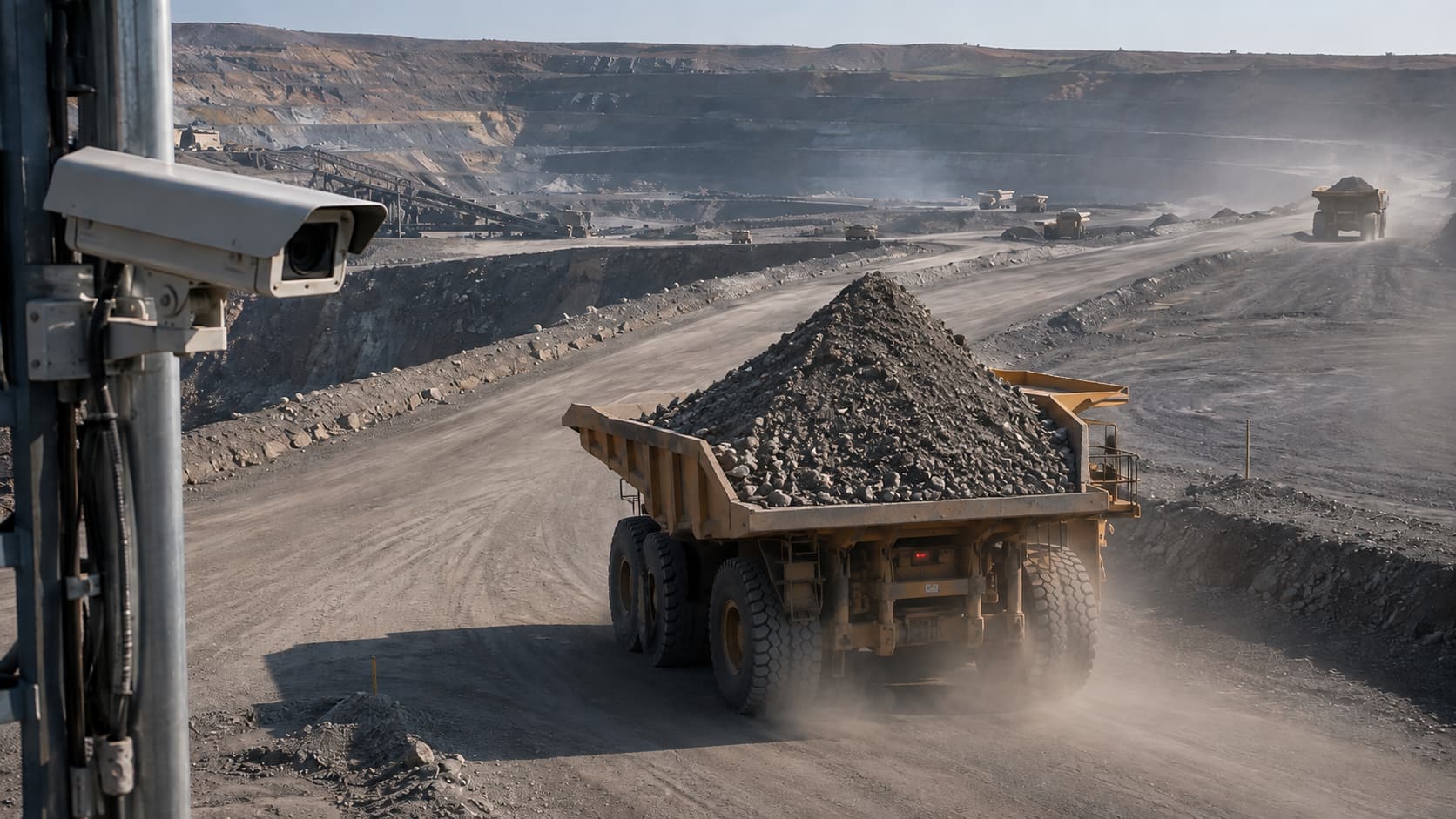
We inspect stockpiles, storage areas and hard-to-reach locations using drones equipped with sensors and intelligent analysis to identify and geolocate metal objects or risk elements before they enter the crushing process.
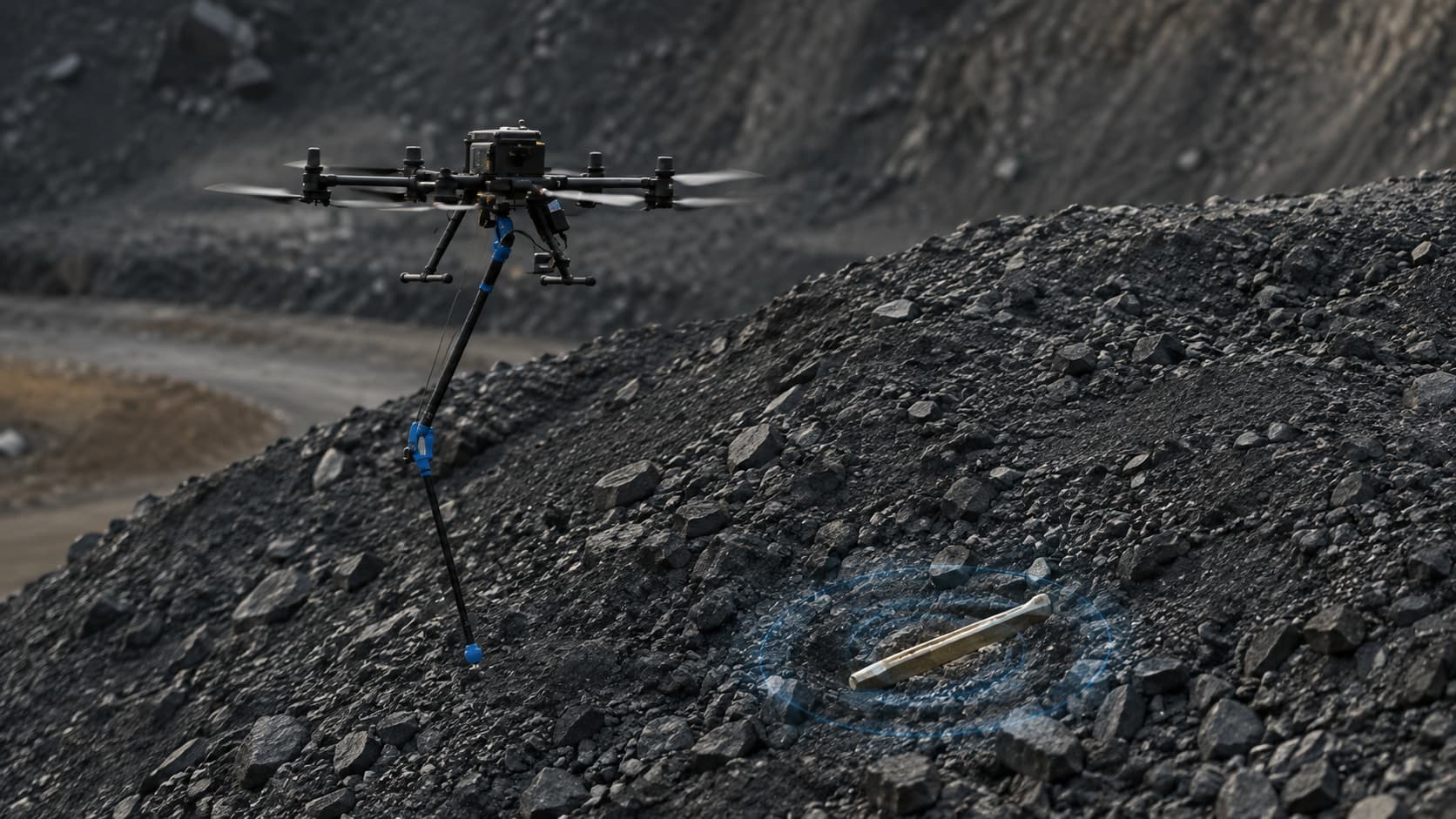
We assess installed infrastructure and, where technically feasible, add computer vision without replacing the entire system. We can also design and install a complete solution.
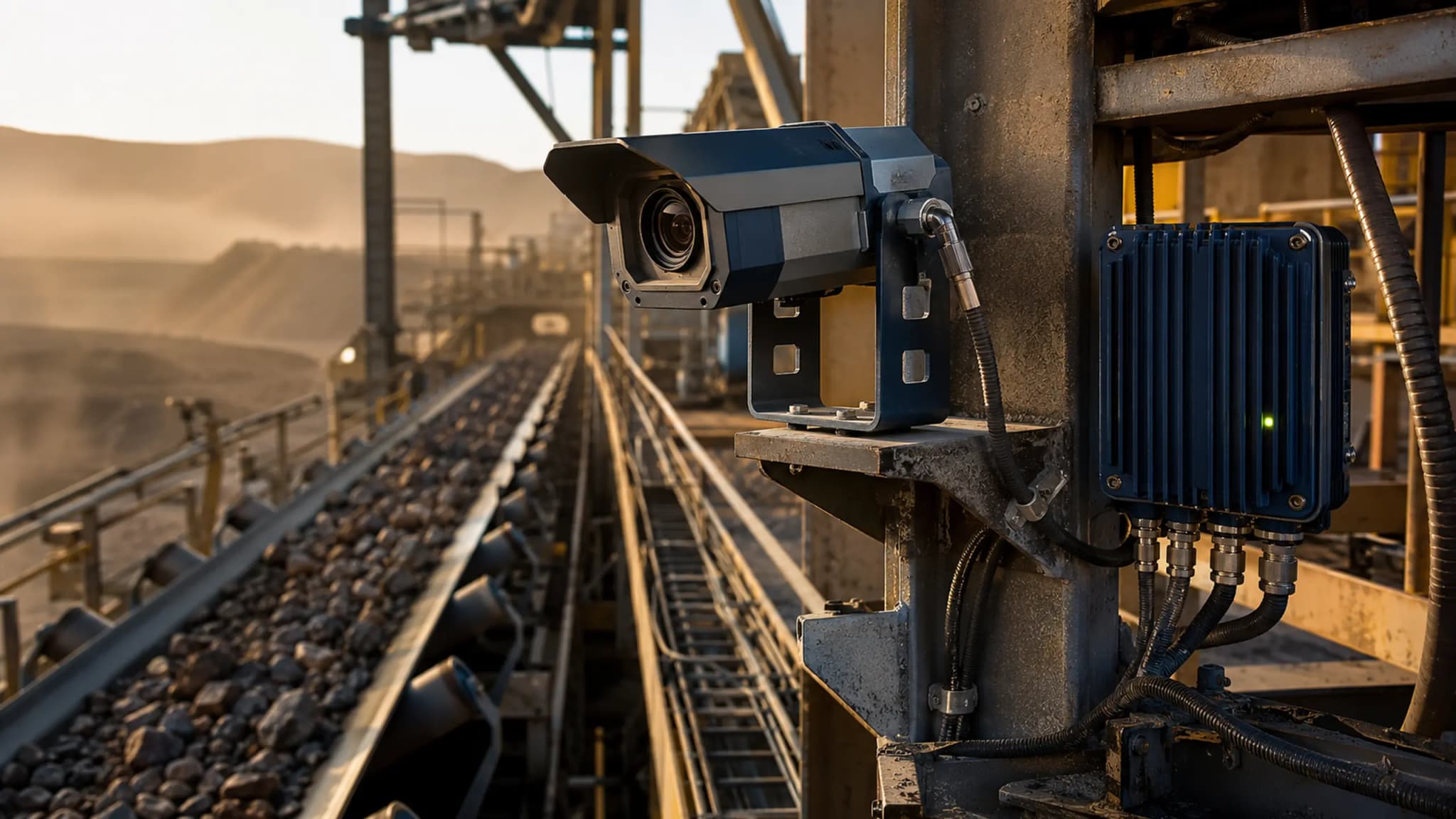
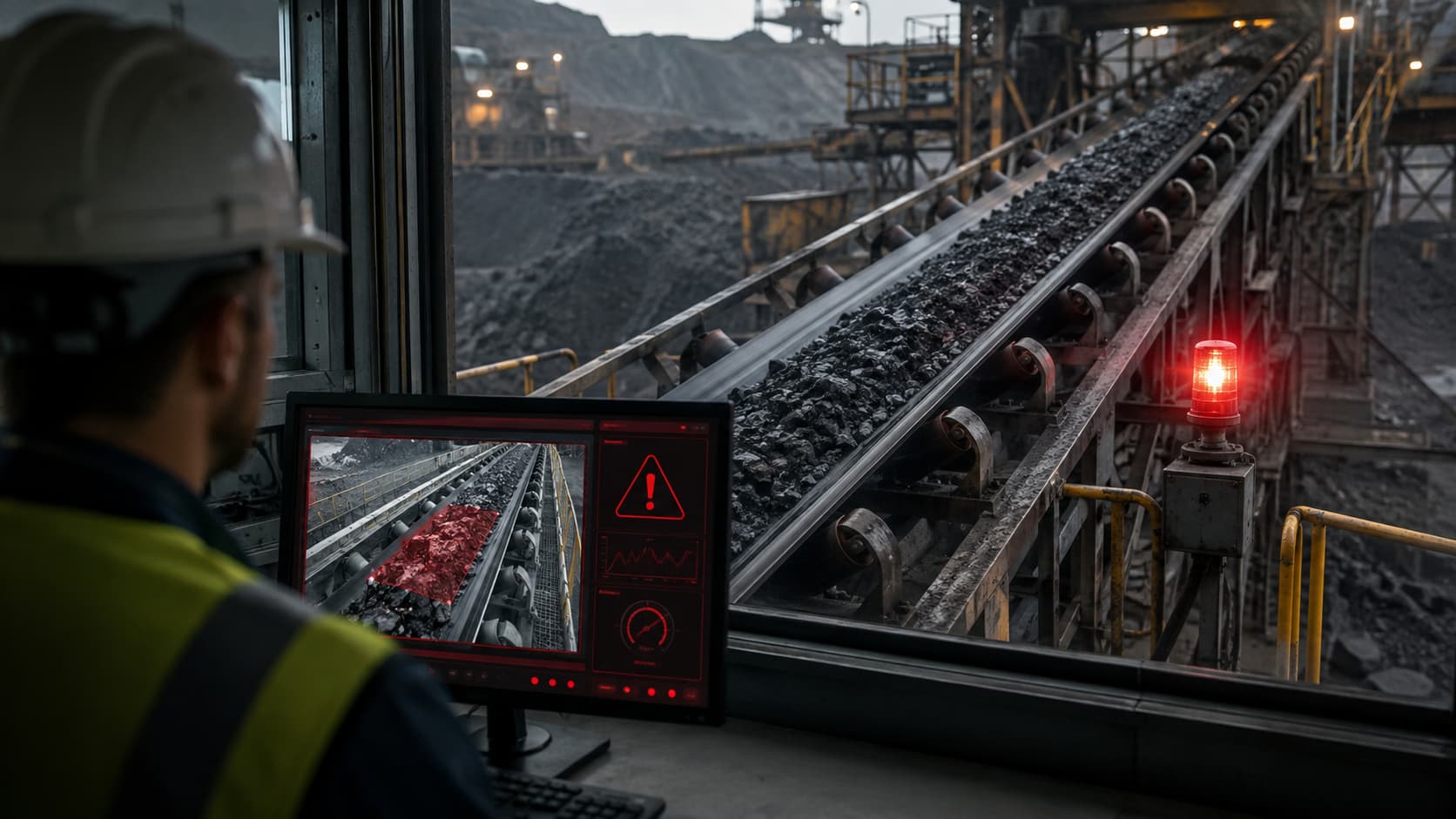
We turn detections into traceable events with an image, date, camera, category and status, and configure alerts through channels agreed with each client.
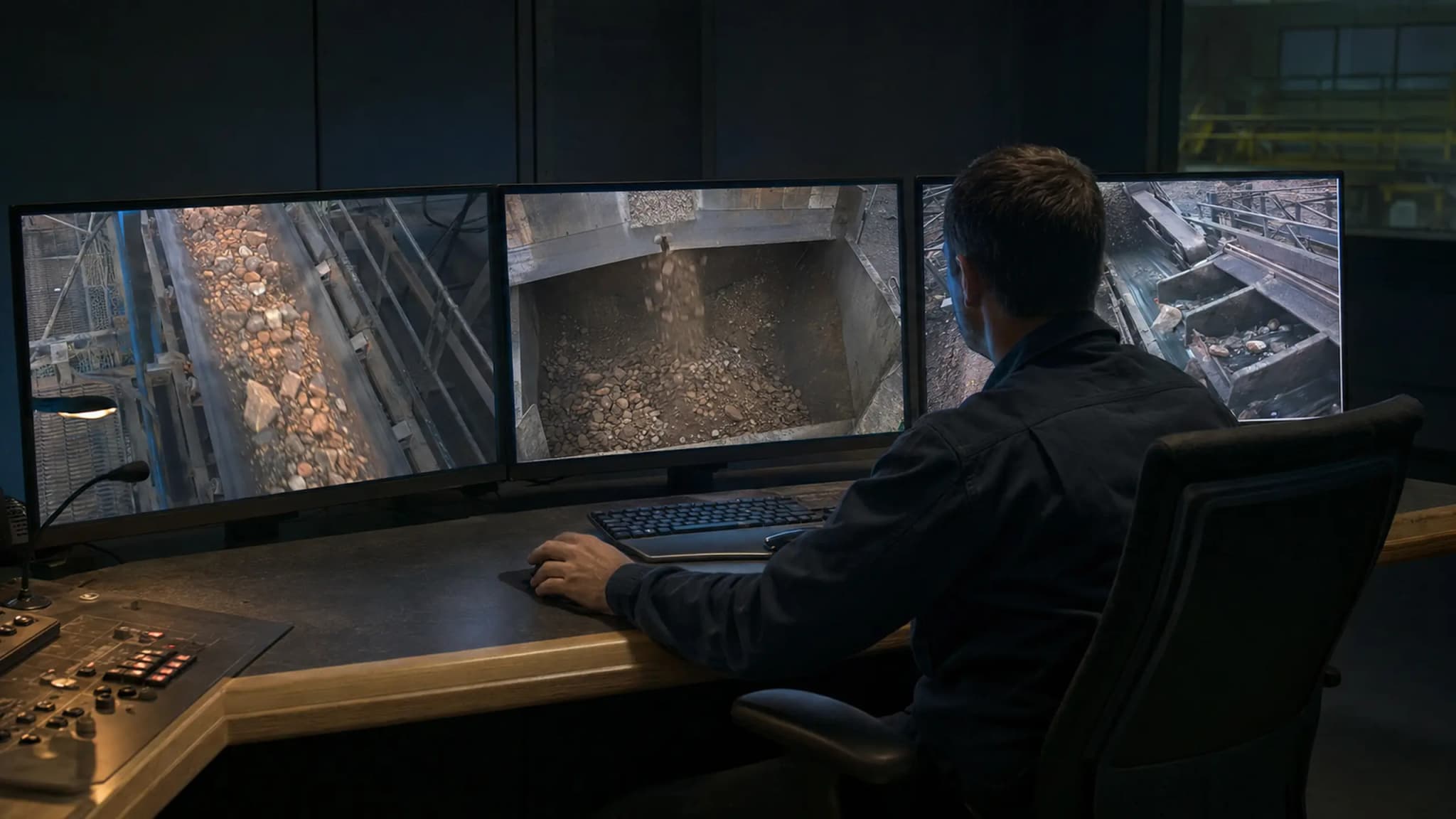
We bring cameras, events, alerts and history together in one interface to simplify supervision, evidence review and operational follow-up.
From an operational need to a validated solution
Our process adapts to each project's scope, from integration with existing infrastructure to a focused pilot or a complete deployment.
Operational assessment: We review the process, risks, critical points and actual conditions that can affect image capture and analysis.
Use case and success criteria: We agree on the condition, object or event to detect, how it must be reported and how the project will be evaluated.
Camera and infrastructure evaluation: We assess cameras, lighting, communications, power and available systems to determine which components can be reused.
Technical solution design: We define architecture, camera placement, field of view, protection, processing, storage, monitoring and alert channels.
Data preparation and model configuration: We organize representative images and configure the system to recognize the categories or conditions prioritized by the operation.
Pilot, calibration and validation: We test in representative conditions, review results, adjust rules and validate performance before scaling.
Deployment, integration and continuous improvement: We implement the approved configuration, document the solution and support commissioning and evolution.
Computer vision and Edge architecture
We combine industrial capture, local processing, vision models and event management in a modular architecture. The solution supports operational assessment and does not replace functional safety systems or operator decisions. Any automation must be specifically designed, tested and validated.
Industrial cameras, optics and lighting
Capture configured for the field of view, speed and lighting conditions at each critical point.
Protection and mounting for mining conditions
Installation solutions prepared for dust, vibration, weather and field maintenance.
Local processing with Edge AI
Analysis close to the operation to reduce external connectivity dependence and respond with low latency.
Object detection and classification
Models configured around categories and conditions defined with the operational team.
Alerts with visual evidence
Configurable notifications including the image and context required to review each detection.
Event recording and traceability
History structured by date, camera, category and status to support review and follow-up.
Responsible and verifiable implementation
Every project is designed around actual site conditions and progresses through criteria agreed with the operation.
Engineering based on actual conditions
We consider dust, vibration, lighting, speed, occlusions, communications and available infrastructure.
Responsible validation before scaling
We establish performance through pilots using representative data and agreed acceptance criteria.
Traceability and continuous improvement
We structure evidence for every event to support review, operational learning and solution evolution.
Tecnoseg SpA: engineering + AI + traceability
We combine field experience and adaptable technology to turn an operational need into a measurable, validated solution.
Experience in technology integration and field operations
Modular architecture adaptable to different mining process points
Edge processing configurable to the site's infrastructure
Categories, alerts and protocols defined with the operation
Visual evidence and structured records for every event
Implementation based on a pilot and acceptance criteria
Support from the initial assessment through commissioning
Technical aspects of the solution
Below we answer some frequently asked questions about the uncrushable-object detection solution. If you want more information, you can request a technical assessment.
Does the system automatically stop the belt?
Not necessarily. The response logic is defined with the operation and must be validated before any integration with control systems.
Can it use existing cameras?
This can be assessed. Feasibility depends on resolution, location, optics, lighting and access to the video stream.
Does it need a permanent internet connection?
Edge processing makes local operation possible. The final architecture depends on communication, storage and integration requirements.
What types of objects can it detect?
Categories are defined according to operational risk and available data, such as profiles, bars, bucket teeth, plates, mesh or other target objects.
How is performance determined?
Through a pilot and validation with representative data. Indicators and acceptance criteria are agreed before operational deployment.
Ready to assess a critical point in your operation?
Share the process, location and type of object you need to detect. Our team will assess feasibility and propose an initial architecture.